
cost of toughened glass
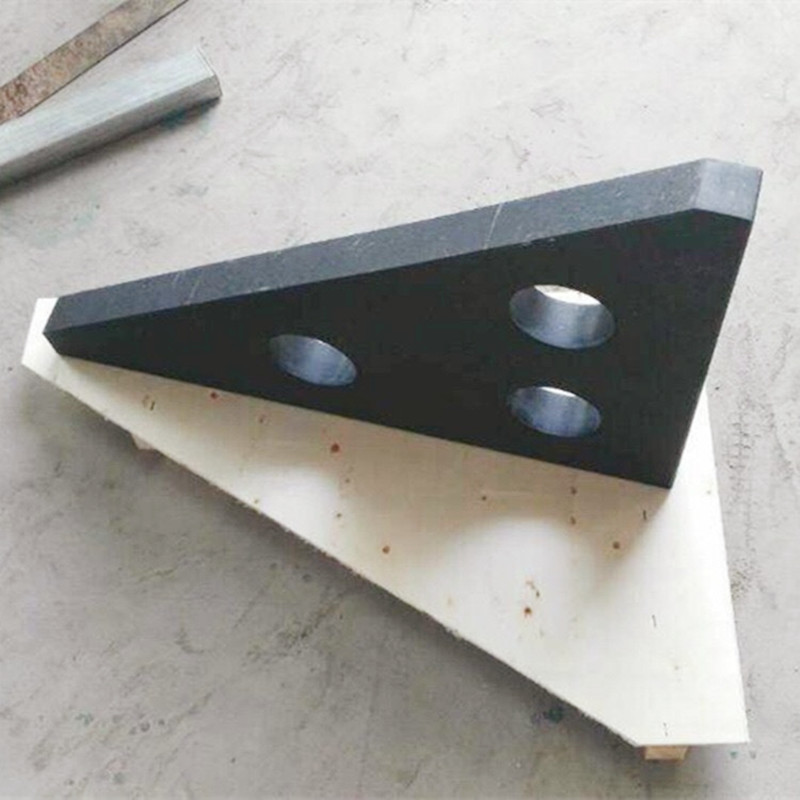
Precision granite stone blocks are essential in etymology, manufacturing, and quality control due to their exceptional flatness, thermal stability, and wear resistance. From quarrying raw stone to final calibration, producing flat granite blocks and large granite blocks requires specialized techniques. This article explores the manufacturing process, quality standards, and applications of these critical measurement tools, including their use with welding inspection rulers and marble stone boxes . Quarrying and Selecting Raw Granite Stone Blocks The journey of granite stone blocks begins at the quarry, where high-quality granite deposits are identified and extracted. The most commonly used granite for precision tools is Jinan blue stone, known for its: Uniform grain structure – Ensures consistent hardness and minimal internal stress Low thermal expansion – Maintains dimensional stability in varying temperatures High density – Provides excellent wear resistance and durability Large blocks are cut using diamond wire saws or hydraulic hairsplitter to minimize fractures. Only defect-free sections are selected for further processing into flat granite block or large granite blocks for industrial use.These blocks undergo rigorous quality control checks to ensure they meet the required standards for precision tools and industrial applications. Once verified, they are transported to processing units where they are shaped and polished according to specific customer requirements. The precision in cutting and polishing is crucial to maintain the inherent properties of granite, such as its hardness, durability, and resistance to wear and thermal expansion. From here, the granite stone blocks are ready to be utilized in the creation of high-quality tools and components for various industries.Further processing may involve techniques like flame cutting or water jet cutting to achieve intricate designs and dimensions. The finished granite stone blocks are then packaged carefully to prevent damage during transportation and storage. They are often accompanied by certification of quality and compliance with industry standards, assuring customers of their reliability and suitability for intended uses. Whether for construction, monumental purposes, or as raw material for precision tools, the journey of granite stone blocks from quarry to final application is a testament to their resilience and versatility.Many manufacturers and suppliers take pride in their sustainable practices, ensuring that the extraction and processing of granite stone blocks minimize environmental impact. This may include the use of eco-friendly cutting and polishing methods, recycling of water used in processing, and the restoration of quarry sites after extraction.In addition to their physical attributes, granite stone blocks are also valued for their aesthetic appeal. The natural beauty and unique patterns of granite make it a popular choice for architectural and decorative applications. From kitchen countertops to floor tiles, the elegance and durability of granite add a touch of sophistication to any setting.As the demand for granite stone blocks continues to grow, innovations in extraction, processing, and transportation techniques are driving efficiency and sustainability in the industry. With advancements in technology and a commitment to environmental stewardship, the journey of granite stone blocks from nature to human creation promises to remain a vital and enduring one. Cutting and Shaping the Granite Stone Blocks Once quarried, the raw granite undergoes precision cutting and shaping: Primary Cutting – Gang saws or block cutters slice the stone into slabs of required thickness (typically 100mm to 300mm for large granite blocks ). CNC Milling – Computer-controlled machines rough-cut the granite into near-final dimensions. Edge Grinding – The edges are chambered to prevent chipping during handling. Key Quality Check: Ultrasonic testing detects hidden cracks or voids before proceeding. Granite Stone Blocks Precision Grinding and Lapping The most critical phase in creating flat granite block is achieving ultra-precise flatness: Surface Grinding – Diamond grinding wheels flatten the block within 0.01mm tolerance. Hand Scraping (if required) – Master technicians refine the surface for AA-grade flatness. Lapping – A final polish ensures a mirror-like finish with roughness below 0.2µm Ra. Flatness Standards: Grade Tolerance (per 1m²) Typical Use AA 0.0001" (2.5µm) Etymology labs A 0.0002" (5µm) Quality control B 0.0004" (10µm) Workshop use Granite Stone Blocks Quality Verification and Calibration Before certification, each granite stone block s undergoes rigorous testing: Laser Interferon – Verifies flatness to micron-level accuracy Straightedge Checks – A welding inspection ruler confirms edge perpendicularity Hardness Testing – Ensures Shore hardness ≥ HS70 for wear resistance Blocks that pass inspection are stamped with compliance marks (e.g., ISO 8512-1 or JJG194-92). Granite Stone Blocks Applications in Industry and Metrology Finished flat granite block serve critical roles in: Surface Plates – Reference surfaces for precision measurement Machine Tool Alignment – Ensuring perpendicularity of CNC equipment Welding Inspection – Used alongside welding inspection rulers to verify joint straightness Comparative Measurement – Paired with marble stone boxes for dimensional checks Granite Stone Blocks FAQ s What makes granite st better than steel for precision measurement? Granite has superior thermal stability, vibration damping, and wear resistance compared to steel, maintaining accuracy longer. How large can granite surface plates be manufactured? Large granite blocks can exceed 4m x 2m for industrial applications, though transport becomes challenging. Can damaged granite blocks be repaired? Minor scratches can be re-lapped, but cracked granite stone blocks must be replaced. Why is Jinan granite preferred for etymology tools? Its fine grain structure and low porosity minimize measurement errors over time. Where can I purchase certified granite measurement tools? We supply calibrated granite blocks, welding inspection rulers, and marble stone boxes—contact us for wholesale pricing.For manufacturers, labs, and quality departments, our granite stone blocks offer: AA-grade flatness certification Custom sizes up to 4m x 2m Competitive wholesale pricing Contact us now to discuss your requirements—ensure your measurements meet the highest standards with our precision granite solutions!
about
cost of toughened glass
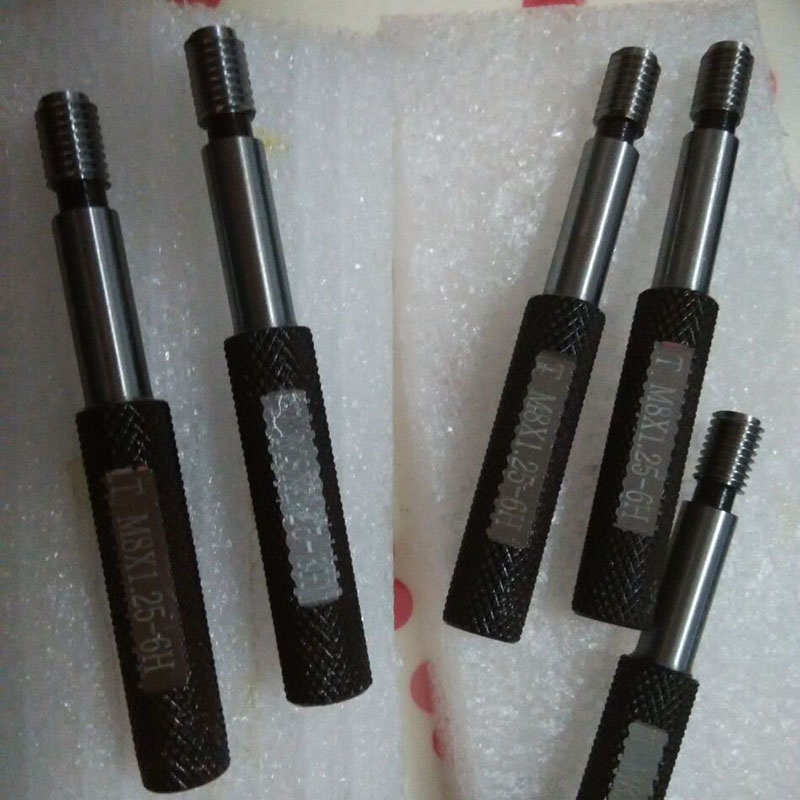
Understanding Internal Thread Gauges A Key Tool in Precision Engineering In the realm of precision engineering, the importance of accurate measurement cannot be overstated. Among various tools that facilitate this process, internal thread gauges play a pivotal role. These gauges are meticulously designed to ensure the accuracy of threaded holes, which are fundamental components in numerous mechanical assemblies. This article delves into the significance, types, and applications of internal thread gauges in today’s manufacturing landscape. What is an Internal Thread Gauge? An internal thread gauge is a specialized instrument used to measure the size, pitch, and quality of internal threads in a variety of materials. These threads are typically found in cylindrical components and are crucial for ensuring that screws, bolts, and other fasteners fit correctly. The precision offered by internal thread gauges helps prevent assembly issues that could arise from poorly threaded holes, which can ultimately lead to equipment failure or safety hazards. Types of Internal Thread Gauges There are several types of internal thread gauges, each designed for specific measurement tasks 1. Go/No-Go Gauges These are among the most commonly used internal thread gauges. They consist of two parts a Go gauge that should fit into the thread, indicating that the threads are of acceptable size, and a No-Go gauge that must not fit, indicating rejection if it does . This binary system helps ensure that threads meet the specified tolerances. 2. Thread Measuring Wires This method involves using finer wires to measure the pitch diameter of the internal thread. By placing the wires into the threaded hole and measuring the total length, engineers can calculate whether the dimensions meet the required specifications. 3. Plug Gauges Similar to Go/No-Go gauges but designed for precision, plug gauges provide an exact measurement and are often used for more critical applications where tight tolerances are mandatory. internal thread gauge Applications of Internal Thread Gauges Internal thread gauges find application across various industries. Here are a few key sectors where they are indispensable - Manufacturing In the manufacturing sector, maintaining quality is essential. Internal thread gauges ensure that threaded holes are produced within stringent tolerances, which is crucial for manufacturing components that require high precision. - Aerospace In aerospace engineering, the reliability of components is paramount. Internal thread gauges help maintain the safety and integrity of aerospace assemblies, where even a minor defect could have severe consequences. - Automotive The automotive industry relies on robust threading for assembly lines and mechanical connections. Internal thread gauges help assure that components fit together perfectly, reducing the risk of failures or malfunctions in vehicles. - Construction In construction, threaded holes are common in structural applications. Using internal thread gauges ensures that bolts and fasteners fit snugly, contributing to the overall stability and safety of structures. Conclusion Internal thread gauges are invaluable tools in precision engineering, aiding in the measurement and verification of internal threads across various industries. Their role in ensuring quality and safety cannot be overstated, as they help prevent assembly issues that could lead to catastrophic failures. As technology advances, the design and functionality of these gauges continue to evolve, but their fundamental purpose remains unchanged. For manufacturers and engineers, the ability to accurately measure and assess threaded holes is a cornerstone of quality assurance, making internal thread gauges an essential part of the toolkit in modern engineering practices.
-

High quality industrial productsagement

High quality industrial products
View Details -

Meet the diverse needs of customers

Meet the diverse needs of customers
View Details -

Strict quality control

Strict quality control
View Details -

Top raw materials

Top raw materials
View Details -

Trusted supplier

Trusted supplier
View Details
Our application
news and information
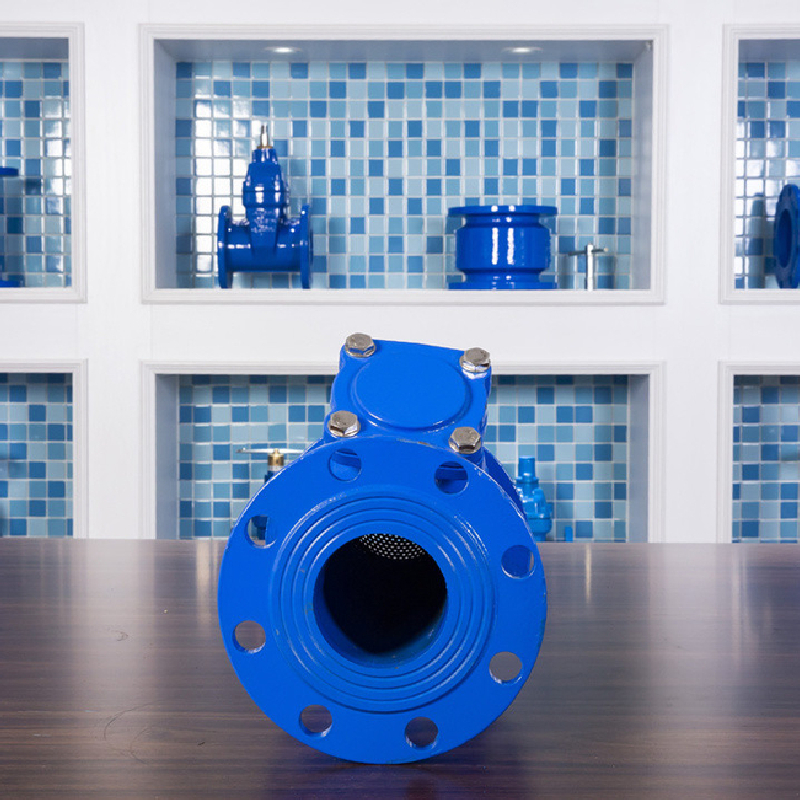
y type strainer filter,,10
Y Type Strainer Filter A Compreensive Guide Y Type Strainer Filter has become an essential tool in

Valvola a ghigliottina 3 4 - Valvole di alta qualità per applicazioni industriali
Titolo La Valvola a Fune del 3% e del 4% Un Approfondimento sulle Valvole più Utilizzate . Ma cosa r
Vent cap made of plastic resembling a mushroom design for ventilation systems.
Plastic Mushroom Vent Cap An Overview Plastic mushroom vent caps are an essential component of vari
 English